Office relocations, lab decommissions, campus moves. One platform built for the complexity.
Supermove handles per-position billing, multi-day crew coordination, and project-based dispatch for commercial O&I operators. Quote once, dispatch from the same data, bill from actual crew output.


.png)
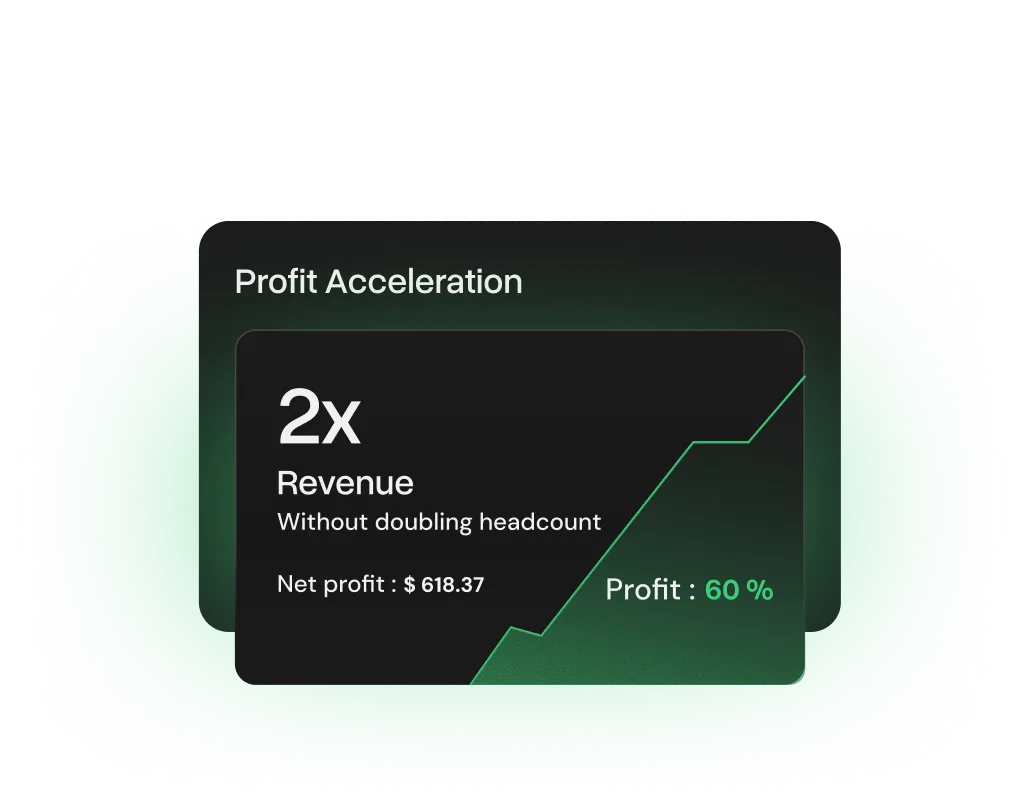
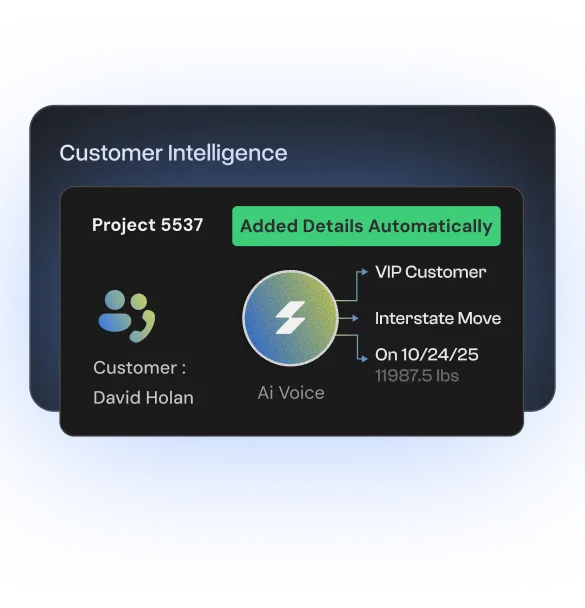

Most moving software wasn't built for this kind of work.
Commercial O&I breaks residential moving software in predictable ways. A single office relocation might span ten days with different crew sizes each day, per-position billing at different rates, and scope that changes mid-project because it always does. Most moving software can't handle any of that without ugly workarounds.
So the same job data gets entered two or three times across different tools and nobody's version quite matches. Timesheets come back late while invoicing stalls.
The commercial operators pulling ahead right now are the ones whose back office doesn't bottleneck their front office.
We built a framework for this: The AI Adoption Framework for Commercial Office & Industrial Movers
If you're running commercial O&I and figuring out what to modernize first, this walks through it. Where the money leaks, where AI fits in commercial operations, and how to phase things in without disrupting active projects. Written for operators handling offices, labs, healthcare facilities, schools, and industrial relocations.


Built for the work you actually do
Automatically bill every role at the right rate.
High volume, tight margins, and a peak season that doesn't forgive scheduling mistakes. See how Supermove handles dispatch, on-site billing, and crew coordination for operators running 20+ local jobs a day.
Break complex projects into manageable phases.
Multi-day jobs with shifting crew sizes and equipment needs don't fit neatly into a single dispatch slot. Supermove splits each project into sub-jobs with their own crew assignments, timesheets, and cost tracking so nothing falls through the cracks between phases.
Quote once, then dispatch from the same data
Your salesperson builds the proposal and that data flows straight into dispatch and billing. No coordinator re-entering it into a second system or version mismatches between what was sold and what gets staffed.

One platform from quote to invoice.
Your salesperson builds the proposal once — crew composition, hours per day, equipment, materials — and that data flows into dispatch and billing without anyone re-entering it.A ten-day project breaks into sub-jobs per day, each with its own crew assignment and timesheet. The system tracks per-position rates automatically. Crews log time and scope changes on a tablet on-site, and billing can invoice the day the job wraps.

Improving rep performance at scale is the fastest way to grow revenue
See how moving companies are using it today
.avif)

“By delivering a high-quality, affordable moving experience. With Supermove, we’ve strengthened our ability to connect quickly, guide clearly, and, most importantly, honor the trust our customers place in us to handle their most personal and valued belongings.”
Jack Arslanian, CEO of MiniMoves
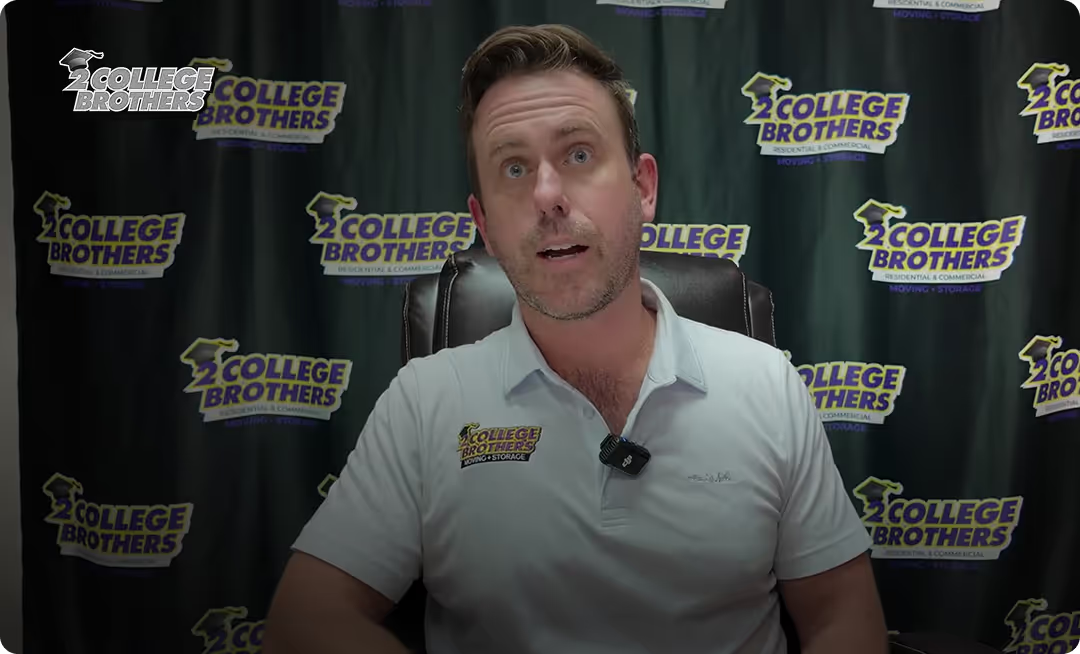
Especially for after hour calls, the voice agent works just as well. Our lead volume has increased about 35% YoY”
Wade Swikle, CEO of 2 College Brothers
.avif)
“It’s a great tool and it’s already paid for itself.”
Seth Pierson, Sales Manager at PDX Movers
.avif)
“Our customers are giving us great feedback!”
Kierin Herr, Founder,Varsity Movers